The 🤬 emoji is one of the strongest emotional emojis used in modern digital communication.
It usually represents intense anger, frustration, annoyance, or outrage. When people receive this emoji from a girl in a text message, social media comment, or chat conversation, they often wonder exactly what she means and whether the emotion is directed at them or at a situation she is describing.
Because emojis can carry different meanings depending on the relationship, conversation, and context, the interpretation is not always straightforward.
A single 🤬 emoji can express genuine anger, playful frustration, sarcasm, or even exaggerated humor. This uncertainty is one reason many people search for the meaning behind it.
Understanding the context, tone, and surrounding messages is essential when interpreting any emoji. In most cases, the 🤬 emoji is used to communicate strong negative emotions in a quick and visual way.
Quick Answer
The 🤬 meaning from a girl usually indicates strong anger, frustration, irritation, or annoyance. Most commonly, it is used in text messages, chats, or social media conversations when she feels upset about a person, situation, or event. The exact meaning depends on the context, but it generally signals intense negative emotions rather than happiness or affection.
Meaning & Definition
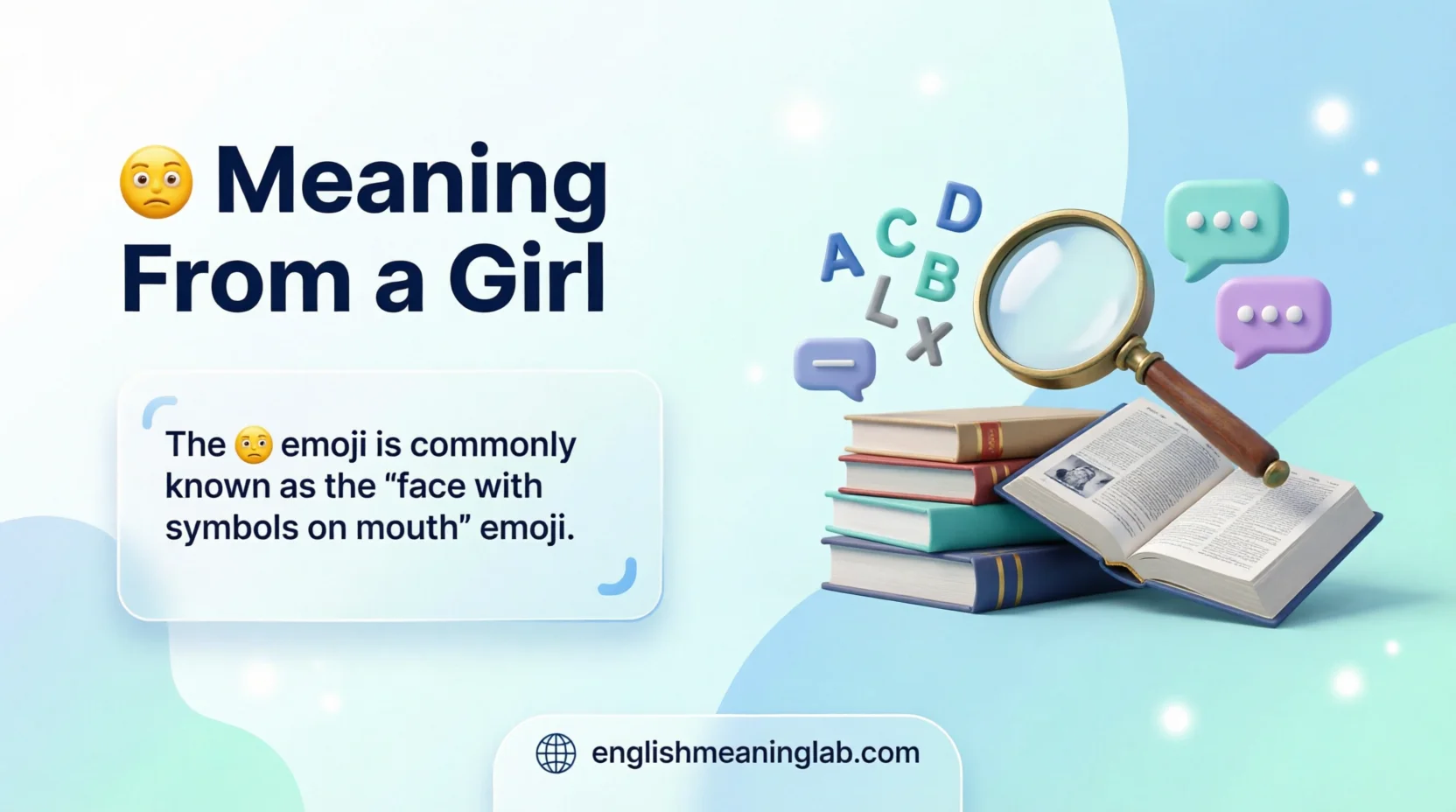
The 🤬 emoji is commonly known as the “face with symbols on mouth” emoji. The symbols covering the mouth represent censored swearing or profanity. Instead of typing an actual curse word, users can send this emoji to show that they are extremely angry or frustrated.
When sent by a girl, the emoji often communicates:
- Anger
- Annoyance
- Frustration
- Disappointment
- Outrage
- Strong emotional irritation
The emoji is stronger than a simple angry face. It suggests that the person feels upset enough that they might normally use harsh language if speaking in person.
However, not every use should be interpreted literally. Some people use the emoji dramatically or humorously when discussing minor inconveniences. For example, someone might send it after spilling coffee, missing a bus, or experiencing a frustrating day at work.
The meaning becomes clearer when viewed alongside the rest of the conversation. If the surrounding messages are serious, the emoji likely reflects genuine anger. If the conversation is playful, it may simply be an exaggerated reaction.
Background
The 🤬 emoji was created as part of the growing collection of emotional emojis designed to help people express feelings visually in digital communication.
The symbols covering the mouth are intended to represent censored profanity. This design allows users to express the idea of swearing without actually writing offensive language.
Over time, the emoji became popular across messaging apps, social networks, and online communities because it quickly conveys strong emotions. Instead of typing a long explanation about being upset, a person can send a single emoji that immediately communicates frustration.
Its popularity increased as emojis became a major part of online communication. Today, it is widely recognized across different age groups and platforms.
While the basic meaning remains anger or frustration, online culture has expanded its usage. Some people use it jokingly, sarcastically, or dramatically to emphasize reactions to everyday situations.
Usage in Different Contexts
Chat
In private chats, the 🤬 emoji usually signals that someone is upset about something specific.
Examples:
- “I just missed my flight 🤬”
- “That was so unfair 🤬”
Social Media
On social media, the emoji is often used to react to disappointing news, controversial topics, frustrating experiences, or annoying trends.
Examples include:
- Reacting to a sports loss
- Complaining about a service issue
- Expressing frustration about current events
Professional Fields
The 🤬 emoji is generally considered too emotional and informal for most professional communication.
In workplace settings, it may appear inappropriate because it strongly implies anger and profanity.
Casual Conversations
Among friends, the emoji is frequently used in a lighter way. It may simply emphasize frustration without indicating serious anger.
For example:
- “My phone died again 🤬”
- “Traffic was terrible today 🤬”
Meaning in Chat, WhatsApp, Instagram, and TikTok
On WhatsApp, the emoji often expresses immediate emotional reactions. A girl might use it when describing something that upset her or when venting about a frustrating situation.
On Instagram, the emoji commonly appears in comments, captions, stories, and direct messages. It often reacts to annoying events, controversial posts, or disappointing experiences.
TikTok
TikTok users frequently use the emoji in comments and captions to show outrage, disbelief, or frustration regarding content they have watched.
General Chat Meaning
In everyday messaging, the emoji usually means:
- “I’m really annoyed.”
- “This made me angry.”
- “That was incredibly frustrating.”
- “I can’t believe this happened.”
The relationship between the sender and receiver can affect the tone. Friends may use it casually, while a serious conversation may indicate genuine anger.
Meaning in Physics, Medical, and Aircraft Terminology
Physics
The 🤬 emoji has no recognized meaning in physics. It is an emotional symbol used in digital communication rather than a scientific term.
Medical Terminology
The emoji does not have a standard medical definition. Medical professionals may occasionally use it informally in personal conversations, but it is not recognized medical terminology.
Aircraft or Aviation Terminology
The 🤬 emoji has no official meaning in aviation, aircraft operations, or aviation communication systems.
In all three fields, it should be viewed as a general emoji rather than technical terminology.
Common Misconceptions
Several misunderstandings surround this emoji.
It Always Means Anger
Not necessarily. Some people use it humorously or dramatically without being genuinely angry.
It Is Always Directed at the Recipient
Often the frustration is aimed at a situation, event, or third party rather than the person receiving the message.
It Means Hatred
The emoji usually indicates frustration or annoyance, not hatred. The intensity can vary significantly depending on context.
It Is Always Serious
Many users employ it playfully when discussing minor inconveniences.
Similar Terms & Alternatives
People sometimes use other emojis to express similar emotions.
- 😠 Angry face – General anger
- 😡 Pouting face – Strong anger
- 😤 Face with steam from nose – Frustration or determination
- 😒 Unamused face – Irritation
- 🙄 Rolling eyes – Annoyance
- 😑 Expressionless face – Displeasure
- 💢 Anger symbol – Comic-style anger indicator
These alternatives vary in intensity and tone.
How to Respond to It
The best response depends on the situation.
If She Is Genuinely Angry
You could respond with:
- “What happened?”
- “Are you okay?”
- “That sounds frustrating.”
- “Do you want to talk about it?”
If It Seems Playful
Possible responses include:
- “That sounds rough!”
- “I can see why you’re annoyed.”
- “Hopefully things get better soon.”
If You Think the Anger Is Directed at You
A calm response is often best:
- “Did I do something wrong?”
- “I’d like to understand what happened.”
- “Let’s talk about it.”
Avoid escalating the situation with defensive or aggressive replies.
Differences from Similar Words
The 🤬 emoji differs from other expressions of frustration.
| Expression | Typical Meaning | Intensity |
|---|---|---|
| 😒 | Mild annoyance | Low |
| 🙄 | Eye-rolling frustration | Low to moderate |
| 😠 | Anger | Moderate |
| 😡 | Strong anger | High |
| 🤬 | Anger with implied swearing | Very high |
The main difference is that 🤬 suggests emotions intense enough to involve profanity or extremely strong frustration.
Relevance in Online Conversations & Dating Apps
The emoji frequently appears in online conversations and dating apps because people use emojis to communicate emotions quickly.
On dating platforms, a girl may send the emoji when:
- Discussing a frustrating experience
- Complaining about something that happened during the day
- Reacting to bad news
- Joking about an annoying situation
Context matters significantly. If the conversation is friendly and playful, the emoji may simply add dramatic emphasis. If the discussion is tense or argumentative, it could indicate genuine anger.
The existing relationship between two people often determines the correct interpretation. Close friends may use the emoji casually, while strangers may intend it more seriously.
FAQs
What does 🤬 meaning from a girl mean in text?
In text messages, it usually means she feels very angry, annoyed, frustrated, or upset. The exact meaning depends on the conversation and surrounding messages.
What does 🤬 mean in chat?
In chat, the emoji commonly represents strong frustration or outrage. It often replaces written swearing and communicates intense emotions quickly.
Is 🤬 a slang term?
No, 🤬 is not a slang term. It is an emoji that visually represents strong anger or censored profanity.
What does 🤬 mean on social media?
On social media, it is typically used to react to frustrating situations, disappointing events, controversial topics, or upsetting experiences.
Can 🤬 have different meanings?
Yes. While anger is the primary meaning, some users employ it jokingly, sarcastically, or dramatically to exaggerate reactions.
How should I respond to 🤬 from a girl?
A respectful response works best. Ask what happened, acknowledge her feelings, and avoid assuming the anger is directed at you unless the conversation clearly suggests it.
Does 🤬 always mean she is angry with me?
No. In many cases, the emoji refers to frustration about a separate situation rather than the person receiving the message.
Is 🤬 stronger than 😡?
Yes. The 🤬 emoji generally conveys stronger emotions because it implies swearing or extreme frustration, whereas 😡 mainly indicates anger.
Conclusion
The 🤬 meaning from a girl most often relates to strong anger, frustration, annoyance, or outrage. The emoji is designed to represent censored swearing and is commonly used when emotions run high.
Although its primary meaning is negative, it is not always a sign of serious conflict. Many people use it humorously, sarcastically, or dramatically when discussing everyday frustrations.
The most important factor in understanding the emoji is context. The surrounding conversation, the relationship between the people involved, and the tone of the discussion all influence its interpretation.
Sometimes it reflects genuine anger, while other times it simply emphasizes a frustrating experience. By paying attention to the overall conversation rather than focusing on the emoji alone, you can better understand what the sender truly intends to communicate.